What Do You Eat While Climbing Kilimanjaro?
David M.
Lead Expedition Guide
Fueling your body for a high-altitude challenge. Overview of the high-carb, easy-to-digest meals cooked by your mountain chefs.
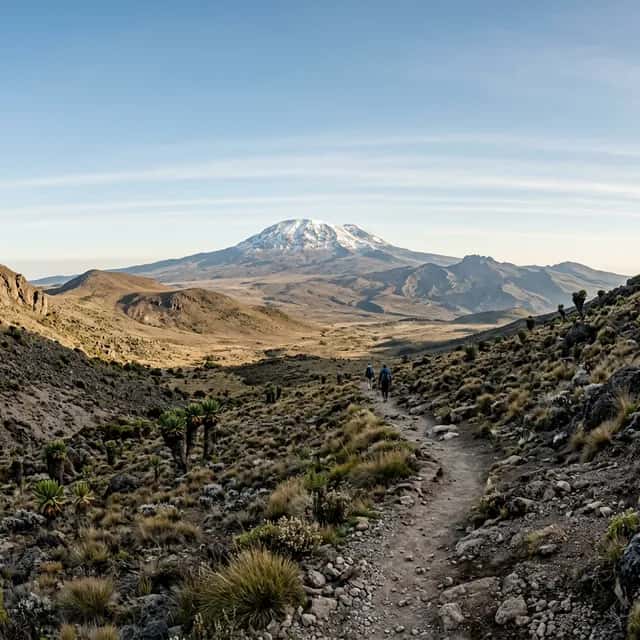
"The altitude kills your appetite, but your body needs fuel more than ever."
High-Carbohydrate Focus
At altitude, your body burns through carbohydrates rapidly and digestion slows down significantly. Our menu is designed to maximize energy with iron-rich foods, complex carbs, and high-protein snacks.
Typical Lunch
Sometimes served in camp, other times a packed box. It could include sandwiches, fruit, snacks (cashews, chocolate bars), and hot tea or juice.
Typical Dinner
Soup is served first (essential for hydration), followed by a main course like pasta, rice with stew, grilled chicken with vegetables, or Tanzanian specialties like "Ugali" and "Ndizi" (banana stew).
Dietary Special Requirements
Are you vegetarian, vegan, or gluten-free? No problem! Our mountain chefs are expertly trained in handling specialized dietary needs.
Hydration is Survival
You MUST drink 4 to 5 liters of water daily. The guide will remind you constantly. We provide purified and boiled water for your bottles and bladders every morning and evening.
Snack Strategy
While we provide ample meals, we recommend bringing your favorite personal snacks. Hard candies, ginger chews (for nausea), and electrolyte tablets (like Nuun) are fantastic for the summit night.
Questions about the menu?
Ask our kitchen staff how they manage safety and hygiene at 15,000 feet.
Toilets & Hygiene Info