Understanding Altitude Sickness (AMS) on Kilimanjaro
Dr. Sarah T.
High-Altitude Physiologist
The science of oxygen deprivation and how to spot symptoms of Acute Mountain Sickness (AMS), HACE, and HAPE.
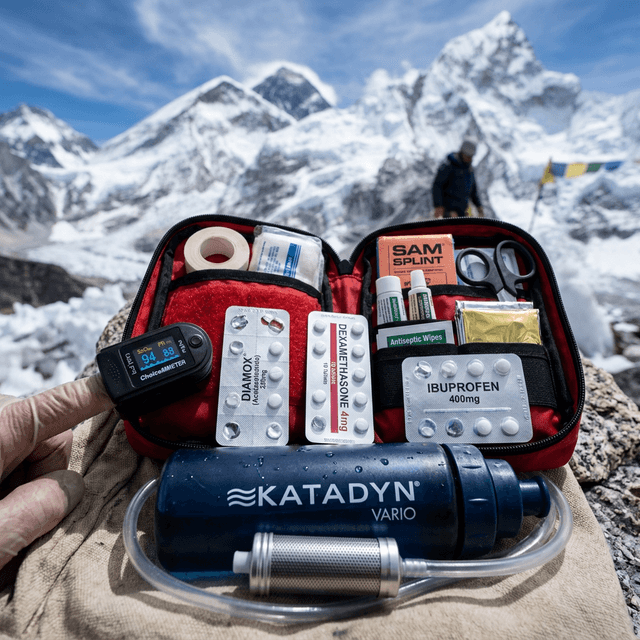
"Will I get altitude sickness?" It is the single biggest fear for any climber attempting Kilimanjaro. Altitude sickness is not a reflection of your physical fitness; it is a biological response to thinning air that can affect a marathon runner just as easily as a couch potato. Understanding how to manage it is the key to standing on the Roof of Africa.
The Science of Thin Air
At sea level, the air you breathe is about 21% oxygen. At the summit of Mount Kilimanjaro (5,895 meters / 19,341 feet), the oxygen percentage remains the same, but the barometric pressure is roughly 40% lower. This means there are 40% fewer oxygen molecules in every breath you take.
Your body must work drastically harder to oxygenate your blood and tissues. The condition formally known as Acute Mountain Sickness (AMS) occurs when your body cannot adapt quickly enough to this rapid decrease in oxygen pressure relative to your ascent rate.
Common (Mild) Symptoms
These symptoms are entirely normal above 3,000 meters. They usually feel like a bad hangover and should be communicated immediately to your guide, but do not necessarily mean your climb is over.
- Persistent Headache: Often throbbing, typically worse in the morning.
- Nausea & Loss of Appetite: Even your favorite snacks sound unappealing.
- Dizziness: A feeling of lightheadedness when standing up quickly.
- Extreme Fatigue: Feeling completely drained, despite sleeping well.
Red Flag Symptoms
If mild AMS is ignored, it can rapidly progress into life-threatening conditions. If any of the following occur, you MUST descend immediately.
- HACE (High Altitude Cerebral Edema): The brain swells with fluid. Symptoms include severe confusion, irrational behavior, hallucination, and the inability to walk heel-to-toe in a straight line (Ataxia).
- HAPE (High Altitude Pulmonary Edema): Fluid fills the lungs. Symptoms include a persistent, bubbling cough producing pink/frothy spit, extreme shortness of breath even while resting, and blue lips/fingernails.
How to Prevent AMS: The 3 Golden Rules
Choose a Longer Route
The absolute most effective way to prevent AMS is giving your body time to adapt. A 5-day climb on the Marangu Route has a staggering failure rate because it forces an aggressive ascent. We highly recommend minimum 8-day itineraries like the Lemosho Route or the 9-Day Northern Circuit. Time is your best defense.
Climb "Pole, Pole" (Slowly, Slowly)
Your lead guide will insist on a pace that feels agonizingly slow on Day 1. Trust them. Walking at half your normal walking speed keeps your heart rate down and reduces oxygen depletion in your muscles. The mountain is a marathon, not a sprint.
Hydrate Relentlessly
Dehydration exacerbates AMS symptoms (both cause headaches, making it hard to diagnose). At high altitude, you lose immense amounts of water vapor simply by exhaling in the dry, cold air. You must force yourself to drink 3 to 4 liters of purified water every day.
What about Diamox?
Acetazolamide (Diamox) is an FDA-approved prescription medication used widely on Kilimanjaro to prevent AMS. It works by acidifying your blood, which tricks your body into breathing deeper and faster, especially while you sleep, supercharging the acclimatization process. It is a prophylactic, not a cure—it must be taken two days before the climb begins.
*Note: The most common side effect is a harmless numbering/tingling sensation in the fingers, toes, and face. You must consult your primary care physician before taking Diamox, as it is a sulfa-based diuretic.
Are You Altitude Ready?
Your route choice directly correlates to your altitude sickness risk. Take our 2-minute Success Predictor Quiz to analyze your age, fitness, and chosen path for a realistic summit probability.