Diamox for Kilimanjaro: Pros, Cons, and Side Effects
Dr. Sarah T.
High-Altitude Physiologist
A look at the most common altitude medication (Acetazolamide). Learn how it works, when to take it, and common side effects like tingling.
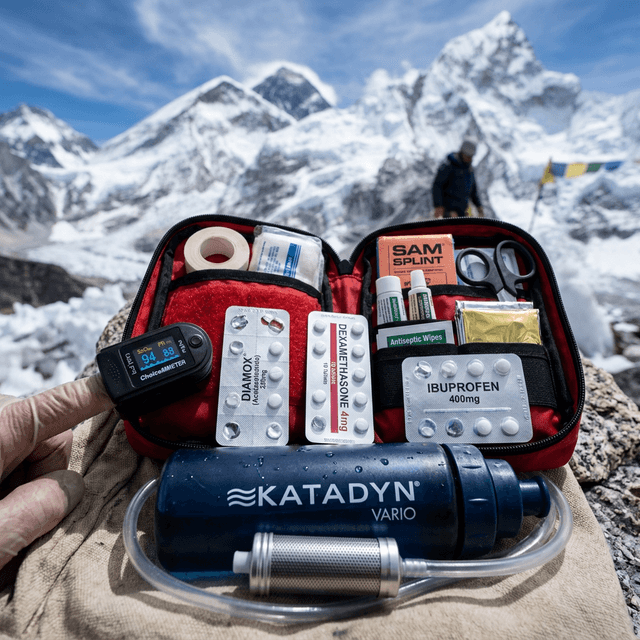
Diamox (Acetazolamide) is the most widely used prescription medication for preventing altitude sickness on Mount Kilimanjaro. It does not mask symptoms — it actively accelerates your body's natural acclimatization process. This guide covers dosage protocols, timing, side effects, and costs so you can make an informed decision with your doctor.
How Diamox Works
Acetazolamide is a carbonic anhydrase inhibitor. It works by causing your kidneys to excrete bicarbonate, which acidifies your blood. This mild metabolic acidosis tricks your respiratory center into breathing deeper and faster — especially during sleep, when dangerous periodic breathing (Cheyne-Stokes respiration) can reduce your oxygen levels dramatically.
The net result is that your body acclimatizes faster at altitude. Diamox is classified as a prophylactic (preventive) medication, meaning it must be started before you reach high altitude to be effective. It is FDA-approved specifically for the prevention and treatment of Acute Mountain Sickness (AMS).
Diamox (Acetazolamide) Dosage Guide
| Protocol | Dosage | When to Start | Duration |
|---|---|---|---|
| Standard Prevention | 125mg twice daily | 2 days before ascent | Until 2 days after highest point |
| High-Risk Prevention | 250mg twice daily | 1-2 days before ascent | Until descent below 3,000m |
| Treatment (active AMS) | 250mg twice daily | At symptom onset | Until symptoms resolve + descent |
Common side effects: tingling in fingers/toes, increased urination, altered taste of carbonated drinks. Consult your doctor before use — Diamox is a prescription medication.
Diamox Cost Breakdown
| Item | Estimated Cost | Notes |
|---|---|---|
| Doctor consultation | $50 - $150 | Required for prescription; may be covered by insurance |
| Generic Acetazolamide (30 tabs) | $10 - $25 | Available at most pharmacies with prescription |
| Brand-name Diamox (30 tabs) | $30 - $60 | Same active ingredient as generic |
| Purchase in Tanzania | $5 - $15 | Available OTC in Moshi/Arusha pharmacies; verify authenticity |
When to Start and Stop
Before Your Climb
Begin taking Diamox 24 to 48 hours before reaching 2,500 meters (8,200 feet). For Kilimanjaro, this means starting 1 to 2 days before your trek begins at the gate, since most trailheads sit between 1,800m and 2,100m and you will ascend past 2,500m on Day 1.
During Your Climb
Continue the medication throughout the ascent. Take doses with meals to reduce stomach upset. Stay well-hydrated — Diamox is a diuretic, meaning it increases urine output significantly. Aim for 3 to 4 liters of water daily.
After Summiting
Continue taking Diamox for 2 days after reaching your highest altitude, or until you descend below 3,000 meters. Stopping too early can cause a rebound effect where symptoms return.
Side Effects
Common (Harmless) Side Effects
- Tingling (paresthesia): Pins and needles in fingers, toes, and lips. This is the most common side effect and is completely harmless.
- Increased urination: Diamox is a mild diuretic. You will need to drink extra water to compensate.
- Altered taste: Carbonated drinks (beer, soda) taste flat or metallic while on Diamox.
- Mild nausea: Usually resolves if taken with food.
Contraindications
- Sulfa allergy: Diamox is a sulfonamide derivative. If you are allergic to sulfa drugs, you cannot take it.
- Kidney disease: Not recommended for those with significant renal impairment.
- Pregnancy: Diamox is not recommended during pregnancy.
Diamox vs. Natural Acclimatization
Diamox is not a substitute for proper acclimatization. The best strategy is to combine Diamox with a longer route (8+ days), a slow pace (pole pole), and aggressive hydration. Choosing a short 5-day itinerary and relying solely on Diamox is a risky gamble.
We recommend discussing Diamox with your doctor at least 4 to 6 weeks before your trip. Consider doing a test dose at home to check for any adverse reactions before you are on the mountain with limited medical support.
Plan Your Altitude Strategy
The right combination of route choice, acclimatization days, and medication can push your summit success rate above 95%. Talk to our team to build a plan tailored to your health profile.